Your Guide to Removing Hair Product Buildup for Cleaner, Healthier Strands
Over time, styling products, oils, and even hard water minerals can leave a film on your hair and scalp. This accumulation, often called product buildup, can make hair feel heavy, look dull, and behave unpredictably. Whether you use dry shampoo, gels, serums, or leave-in conditioners, some residue stays behind after washing. Understanding how to address this buildup is the first step toward restoring your hair's natural bounce and clarity.
Many people notice their hair becomes difficult to manage even after a thorough shampoo. Shampoos that are too gentle or formulated with moisturising ingredients may not lift these residues effectively. This is where a dedicated clarifying or detox approach becomes useful. The goal is not just to clean the hair but to remove the layers of product and environmental deposits that regular washing leaves behind.
What Causes Product Buildup?
Product buildup happens when the ingredients in your hair products do not fully rinse away. Water-resistant waxes, silicones, polymers, and oils are common culprits. They cling to the hair shaft and scalp, creating a barrier that can block moisture and nutrients from penetrating. Hard water minerals such as calcium and magnesium also bind to hair, compounding the issue.
Over time, this layer can affect how your hair responds to treatments. Colour may appear less vibrant, curls may lose their definition, and straight hair can become limp. The scalp can also feel congested, sometimes leading to itchiness or flaking. Recognising these signs early helps you decide when a deeper clean is needed.
How Buildup Affects Your Hair and Scalp
When residue builds up, the hair cuticle becomes coated. This coating can interfere with how products perform. For instance, a moisturising conditioner may sit on top of the residue rather than absorbing into the hair. Similarly, styling products may not hold as well because they cannot adhere to the hair properly. The scalp's natural oil production can also be disrupted, sometimes leading to excess oiliness or dryness as the skin tries to compensate.
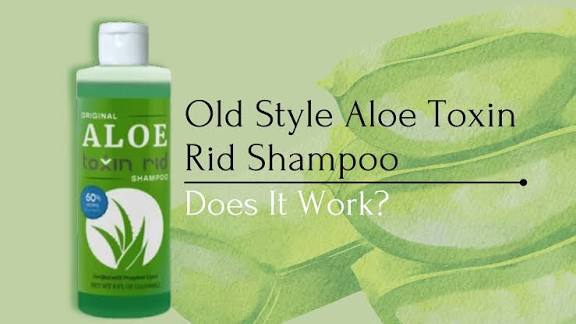
For those preparing hair for laboratory testing, removing buildup is especially critical. Test results can be skewed if residues from shampoos, conditioners, or styling aids remain on the hair. In this context, product buildup removal is not just about appearance but about obtaining accurate and reliable data. Laboratories often recommend a specific detox protocol to ensure the hair is free of external contaminants before analysis.
Choosing the Right Approach for Buildup Removal
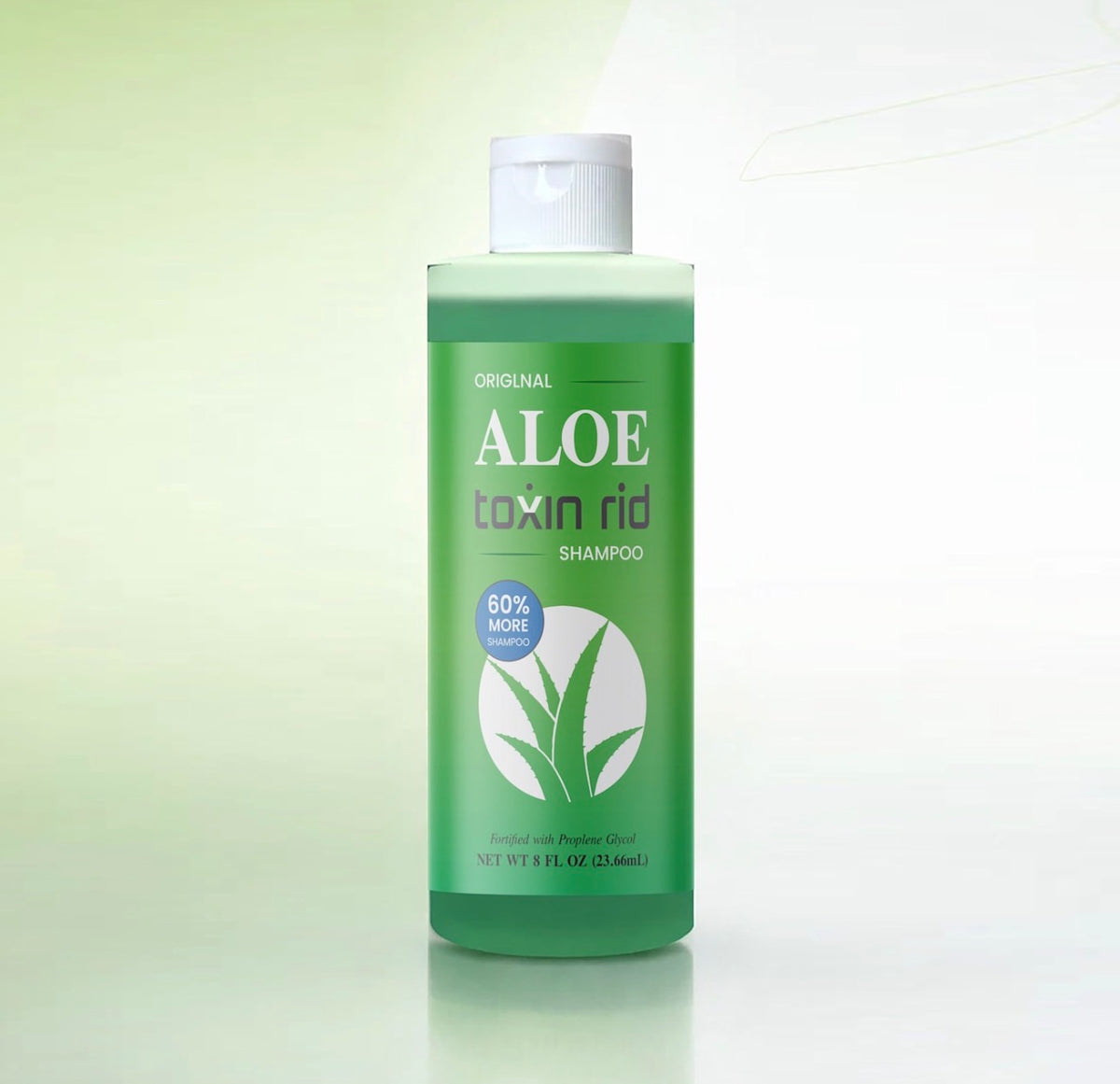
Not all buildup is the same, and neither are the methods for removing it. Some residues are water-soluble and can be lifted by a simple clarifying shampoo. Others, especially those from heavy oils or silicones, require a more targeted formula. A detox shampoo typically contains ingredients that bind to and lift these stubborn deposits. Chelating agents, for example, help remove mineral deposits from hard water. Scalp exfoliation, whether physical or chemical, can also help clear the follicle openings and improve overall scalp health.
When selecting a product for buildup removal, consider your hair type and the kinds of products you use most. If you regularly apply heavy creams or waxes, look for a shampoo that specifies it can handle oil-soluble residues. If hard water is a concern, a formula with chelating agents will be more effective. Many detox shampoos combine multiple mechanisms to address both water-based and oil-based buildup.
The process itself is straightforward but requires some care. Wet your hair thoroughly, apply the detox shampoo, and focus on the scalp and the lengths where product tends to accumulate. Massage gently with your fingertips to loosen debris. Let the shampoo sit for a minute or two so the active ingredients can work, then rinse thoroughly. Follow with a lightweight conditioner only on the ends to avoid re-depositing residue on the scalp.
How Often Should You Detox?
Frequency depends on your routine. Someone who uses several styling products daily may need a detox wash every one to two weeks. Others with a simpler hair care regimen might only need it monthly. Overdoing it can strip the hair of its natural oils, leading to dryness or irritation. Pay attention to how your hair feels after each detox. If it feels squeaky clean but not brittle, you have found a good rhythm.
It is also worth alternating between your regular shampoo and the detox shampoo. This prevents the scalp from becoming too dry while still keeping buildup in check. Some people incorporate a scalp scrub or exfoliating treatment once a month to complement the shampoo. These physical exfoliants help remove dead skin cells and product residue that a liquid shampoo might miss.
Practical Tips for Maintaining Clean Hair Between Washes
Reducing the frequency of heavy product use can help minimise buildup. If you use a dry shampoo, consider brushing it out thoroughly at the end of the day rather than letting it layer. When applying leave-in products, use a smaller amount and focus on the mid-lengths and ends rather than the scalp. Rinsing your hair with warm water before shampooing can also help loosen surface residue.
Another tip is to check the ingredient list of your regular products. Water-soluble formulations are easier to rinse away. If you see many silicones ending in "-cone" or heavy waxes, you may benefit from a more frequent detox routine. That said, not all silicones are problematic; some are designed to rinse out easily. Paying attention to how your hair responds after each wash will guide you.
When Buildup Removal Is Part of a Bigger Plan
For some, the goal of product buildup removal goes beyond everyday hair care. Athletes, swimmers, or people exposed to chlorinated or hard water often need a dedicated approach. Similarly, if you are transitioning to a more natural hair care routine, removing silicone and polymer buildup from previous products can help your hair adjust. The same applies when preparing hair for laboratory testing, where accuracy depends on the hair being in its most natural state.
In these situations, a single detox shampoo may not be enough. A multi-step protocol, including a pre-wash treatment or a longer rinse, can ensure all residues are lifted. Some people opt for an apple cider vinegar rinse as a final step to help balance the scalp's pH and add shine. While this can be effective, it is acidic, so it should be diluted and used sparingly to avoid irritation.
What to Avoid During Buildup Removal
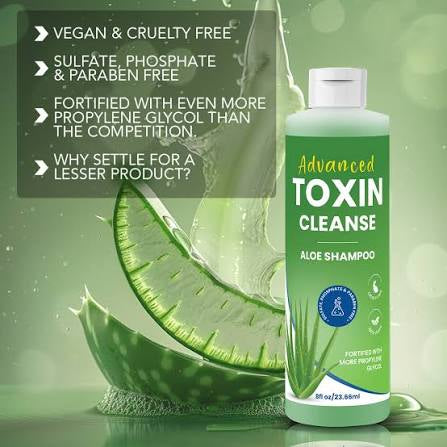
Avoid using harsh sulfates or excessively hot water, as these can strip the hair's protective lipid layer. While sulfates are effective at removing oil and dirt, they can be too aggressive for frequent use. Look for a detox shampoo that uses milder surfactants or natural cleansing agents like aloe or coconut-derived cleansers. Also, be cautious with physical scrubs that have large, irregular particles, as they can cause micro-tears on the scalp.
Do not skip conditioner after a detox wash, but keep it away from the roots. The scalp needs to breathe, and conditioner can leave a film if applied too close to the follicles. A lightweight, water-based conditioner will restore moisture without adding weight.
Recognising When Your Hair Is Truly Clean
You will know the buildup is gone when your hair feels lighter, looks shinier, and behaves more predictably. The water may lather more easily during shampooing because there is no residue to cut through. Your scalp may also feel less congested and more comfortable. If you notice these changes, your detox routine is working.
Maintaining that clean state does not require drastic measures. Simply reducing the number of products you layer on, rinsing thoroughly after each wash, and keeping an eye on how your hair responds will help. A regular but not excessive detox schedule keeps your hair and scalp in good condition without over-cleansing.
Product buildup is a common but manageable issue. With the right approach and a consistent routine, you can keep your hair looking its best, free from the dulling effects of residue. Whether you are aiming for better style performance, healthier scalp, or accurate laboratory results, understanding the principles of buildup removal gives you control over your hair's condition.